
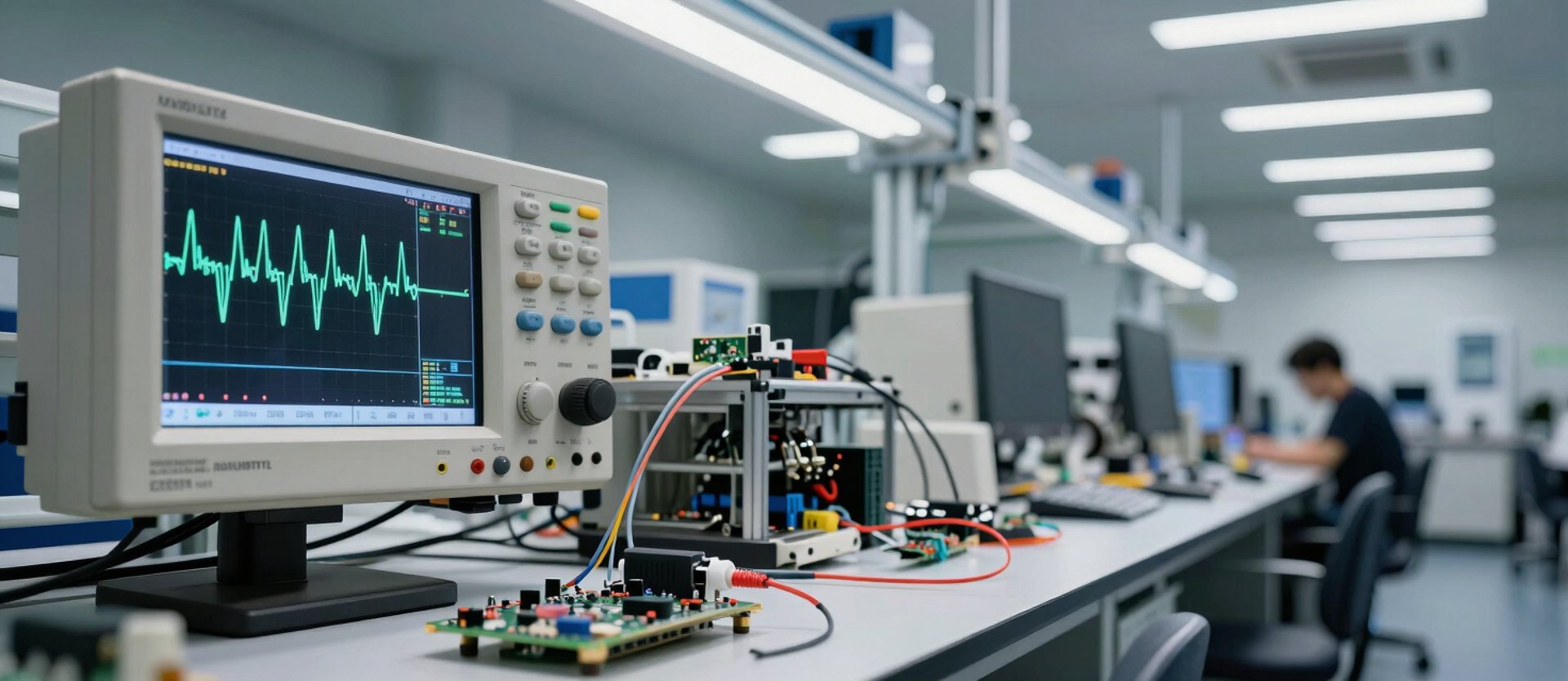
Three domains. One adaptive architecture. Measured results.
Automotive sensor fusion, industrial thermal monitoring, medical waveform classification — each deployment is documented with sensor type, noise floor, and accuracy delta in engineering units.
Sensor type. Noise problem. Measured outcome.
3-axis MEMS accelerometer, vibration-induced drift
Input SNR: 14 dB. Post-inference SNR: 38 dB. Classification accuracy on road-surface anomaly detection improved from 71% to 96.4% without retraining after supplier swap.
Inference latency: 1.2 ms on Cortex-M7. Compiled artifact deployed across 4 vehicle platforms. Sensor drift correction active — no static filter coefficients.
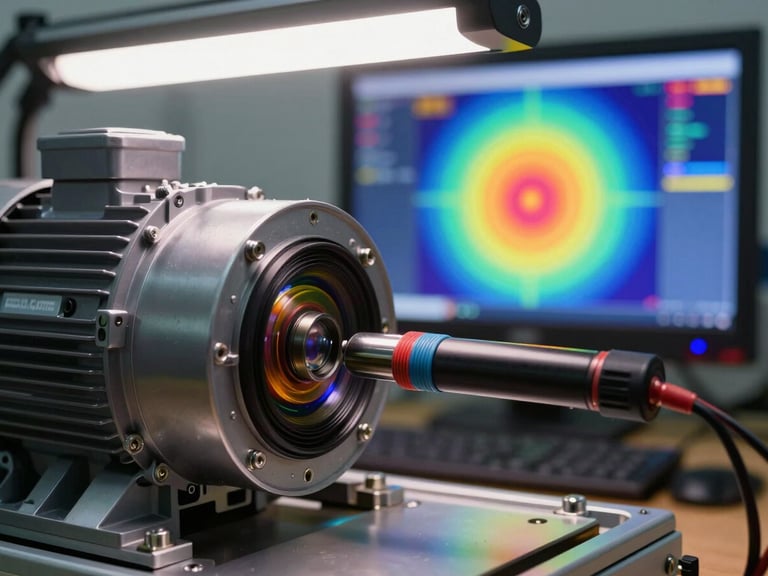
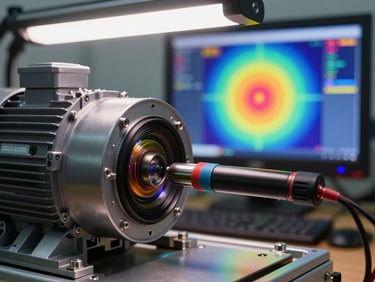
32×32 thermopile array, ambient interference
Ambient noise floor: ±2.8°C pixel variance. Post-inference: ±0.4°C. Fault detection recall lifted from 68% to 98.1% across 14 monitored motor types on a single compiled model.
Deployed on edge gateway running Linux 5.15. Train once, deploy everywhere — same artifact across all 14 motor variants. No per-device calibration runs required.
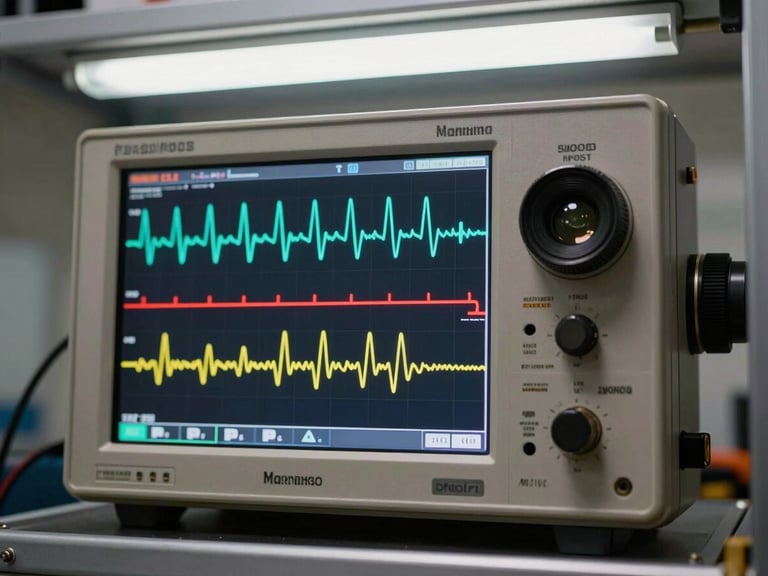
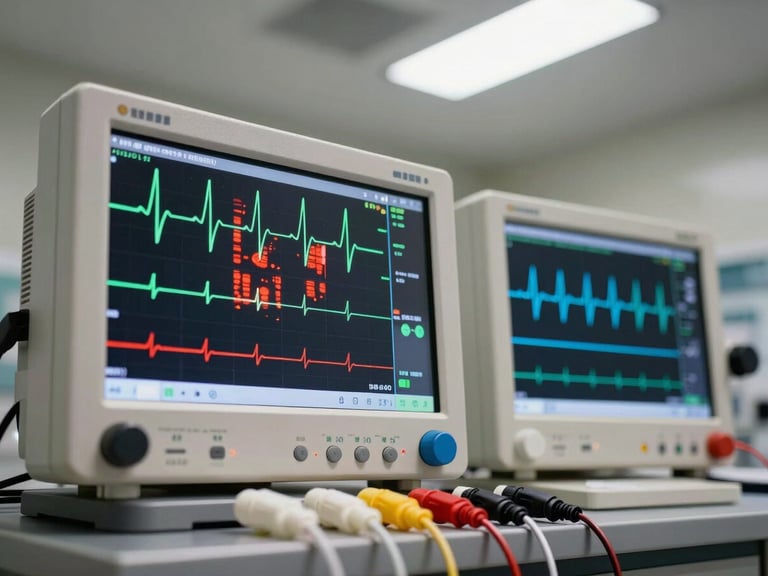
12-lead ECG, motion artifact and electrode noise
Noise floor: −22 dBV motion artifact. Post-inference: −41 dBV. Arrhythmia classification F1 score: 0.91 on held-out clinical data. IEC 60601-1 hardware constraints maintained throughout.
Inference runs on-device at 800 μs per 10-second window. Compiled artifact submitted alongside regulatory documentation. No cloud dependency in the signal path.
Reproducible outcomes. Same artifact. Your hardware.
+24 dB
< 1.5 ms
19 platforms
0 static filters
Every deployed build uses adaptive inference only — no hand-tuned filter coefficients in the signal path.
Distinct hardware targets running the same compiled artifact without per-device retraining.
Median SNR improvement across all three domains after inference deployment.
Maximum inference latency on target embedded hardware across all shipped builds.
Bring your noise floor. We'll tell you what's possible.
Share your sensor type, target accuracy, and hardware constraints. We'll scope an evaluation build against the same architecture used in every documented deployment above.